
Research for a Changing World
Undergraduate Major in Developmental and Cell Biology
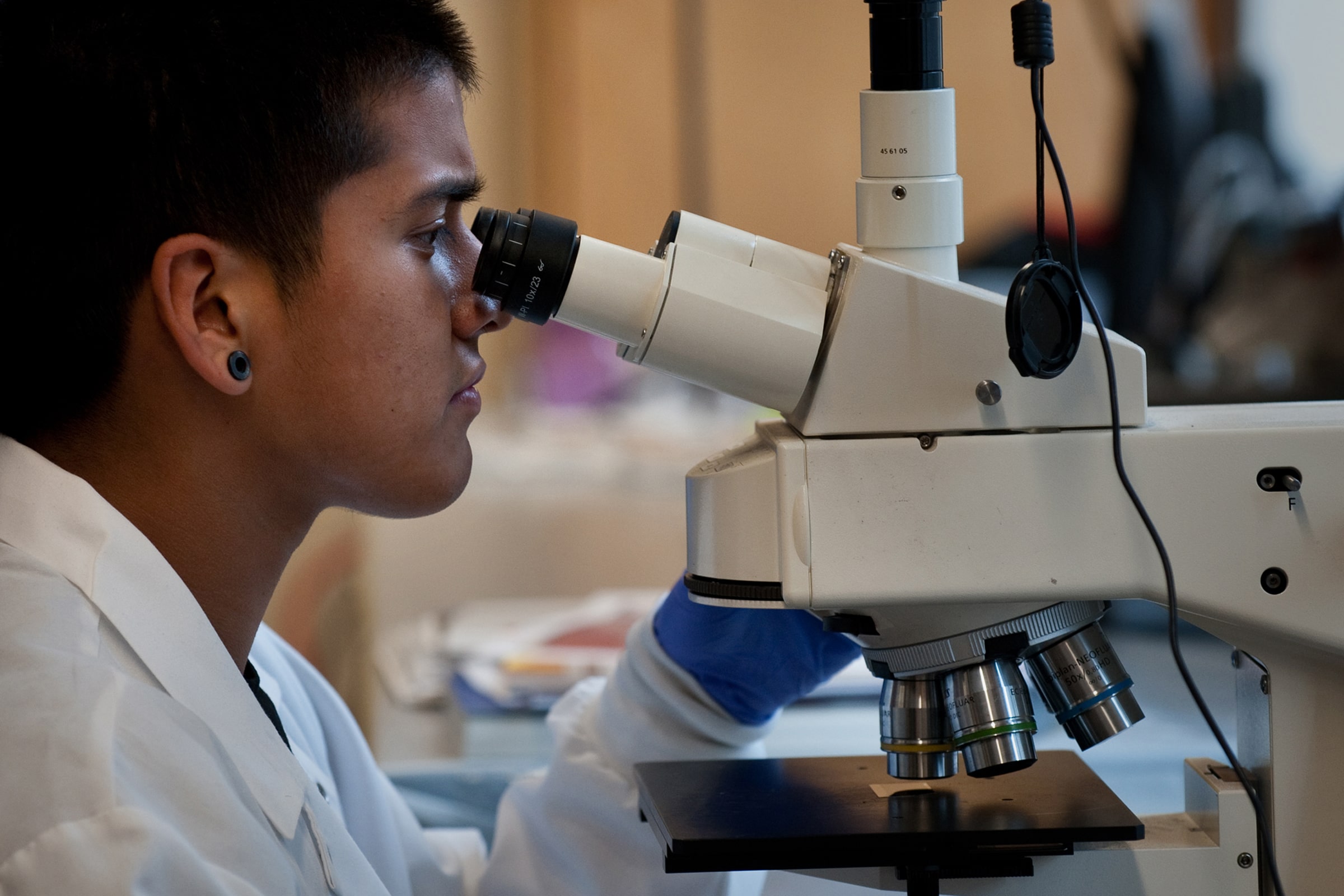
Developmental and Cell Biology Major: The disciplines of Developmental and Cell Biology examine the progression of gametes from before fertilization, through fertilization, and then throughout morphogenesis as the fertilized egg forms its organs and eventually becomes and adult organism, beginning the cycle again. A thorough understanding of these disciplines is essential to uncover the causes of birth defects, of human diseases and of the developmental origins of disease. This understanding will facilitate the development of new therapeutic approaches to cure diseases such as cancer and neurological disorders, and the exploration of new therapies through regenerative medicine. These areas of biology have been undergoing significant transformation in recent years. The faculty advisors for the major interact closely with students, providing mentoring and career advice customized to individual students during their junior and senior years. The major will enable students to bridge different sub-disciplines so that they will be best prepared for success in careers such as research, biotechnology, medicine/dentistry/pharmacy and public policy.
All students must meet the University Requirements.
All students must meet the School Requirements.
| A. Required Major Courses: | |
| BIO SCI D103 | Cell Biology |
| BIO SCI D104 | Developmental Biology |
| BIO SCI D114 | Developmental and Cell Biology Majors Seminar |
| BIO SCI D145 | Genomics, Development, and Medicine |
| B. Upper-Division Laboratories: | |
| BIO SCI D111L | Developmental and Cell Biology Laboratory |
| and select two of the following: | |
| BIO SCI E106L | Habitats and Organisms |
| BIO SCI E112L | Physiology Laboratory |
| BIO SCI E115L | Evolution Laboratory |
| BIO SCI E131L | Image Analysis in Biological Research |
| BIO SCI E140L | Evolution and the Environment Laboratory |
| BIO SCI E160L | Biology of Birds Lab |
| BIO SCI E166L | Field Biology |
| BIO SCI E179L | Field Freshwater Ecology |
| BIO SCI M114L | Biochemistry Laboratory |
| BIO SCI M116L | Molecular Biology Laboratory |
| BIO SCI M118L | Experimental Microbiology Laboratory |
| BIO SCI M121L | Advanced Immunology Laboratory |
| BIO SCI M127L | Virology and Immunology Laboratory |
| BIO SCI M130L | Advanced Molecular Lab Techniques |
| BIO SCI N113L | Neurobiology Laboratory |
| C. Upper-Division Biology Electives: | |
| Select one of the following: | |
| BIO SCI D136 | Human Anatomy |
| BIO SCI D137 | Eukaryotic and Human Genetics |
| BIO SCI D148 | Development and Disease |
| BIO SCI D170 | Applied Human Anatomy |
| and select one of the following: | |
| BIO SCI D133 | Advances in Regenerative Medicine |
| BIO SCI D135 | Cell Biology of Human Disease |
| BIO SCI D190 | Topics in Developmental and Cell Biology |
| BIO SCI M120 | Signal Transduction in Mammalian Cells |
| BIO SCI M144 | Cell Organelles and Membranes |
| and select three of the following: | |
| BIO SCI D105 | Cell, Developmental, and Molecular Biology of Plants |
| BIO SCI D130 | Photomedicine |
| BIO SCI D132 | Introduction to Precision Medicine |
| BIO SCI D133 | Advances in Regenerative Medicine |
| BIO SCI D136 | Human Anatomy |
| BIO SCI D137 | Eukaryotic and Human Genetics |
| BIO SCI D138 | Critical Thinking in Cell Biology |
| BIO SCI D148 | Development and Disease |
| BIO SCI D170 | Applied Human Anatomy |
| BIO SCI E109 | Human Physiology |
| BIO SCI E157 | Comparative Vertebrate Anatomy |
| BIO SCI M114 | Advanced Biochemistry |
| BIO SCI M116 | Advanced Molecular Biology |
| BIO SCI M125 | Molecular Biology of Cancer |
| BIO SCI M137 | Microbial Genetics |
| BIO SCI M143 | Human Parasitology |
| BIO SCI M144 | Cell Organelles and Membranes |
| BIO SCI N110 | Neurobiology and Behavior |
| BIO SCI N151 | Neurobiology of Aging |
| BIO SCI N153 | Neuropharmacology |
| BIO SCI N154 | Molecular Neurobiology |
Discoveries that Transform Human Health
Undergraduate Major in Genetics
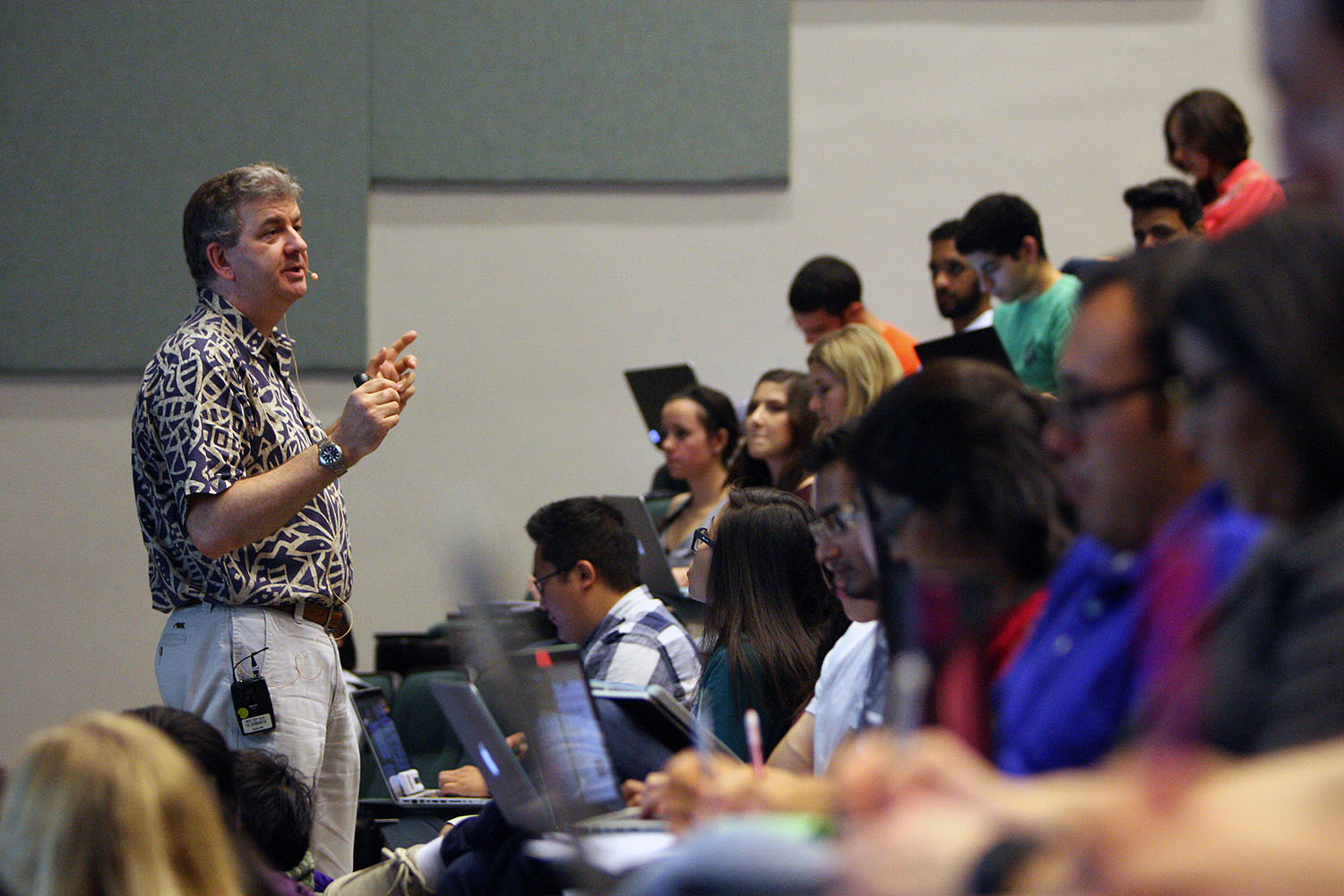
Genetics is an inescapable part of modern society; it features in intellectual news articles and popular talk shows, in discussions of topics from health care to reproductive cloning, in conversations about how CRISPR genome modification will change life as we know it, to how much Neanderthal DNA you have. With human genome sequencing widely available, it is more important now than ever for biology students to have a broad background in the study of heredity and evolution. The Genetics major enables undergraduates interested in molecular, developmental, and evolutionary genetics to explore how genetic mechanisms contribute to understanding human development and disease. Genetics majors in their Junior and Senior years meet with faculty advisors who help plan their curricula, select appropriate Bio 199 research labs and provide career advice. The Genetics major provides training in the skills necessary to pursue graduate degrees in biomedical research, teacher-training programs, medical school, and veterinary school. Genetics majors may also use their backgrounds effectively in planning careers in law, business, education, and public affairs.
All students must meet the University Requirements.
All students must meet the School Requirements.
| A. Required Major Courses: | |
| BIO SCI D103 | Cell Biology |
| BIO SCI D104 | Developmental Biology |
| BIO SCI D113 | Genetics Majors Seminar |
| B. Upper-Division Laboratories: | |
| Select three of the following: | |
| BIO SCI D111L | Developmental and Cell Biology Laboratory |
| BIO SCI E106L | Habitats and Organisms |
| BIO SCI E112L | Physiology Laboratory |
| BIO SCI E115L | Evolution Laboratory |
| BIO SCI E131L | Image Analysis in Biological Research |
| BIO SCI E140L | Evolution and the Environment Laboratory |
| BIO SCI E160L | Biology of Birds Lab |
| BIO SCI E166L | Field Biology |
| BIO SCI E179L | Field Freshwater Ecology |
| BIO SCI M114L | Biochemistry Laboratory |
| BIO SCI M116L | Molecular Biology Laboratory |
| BIO SCI M118L | Experimental Microbiology Laboratory |
| BIO SCI M121L | Advanced Immunology Laboratory |
| BIO SCI M127L | Virology and Immunology Laboratory |
| BIO SCI M130L | Advanced Molecular Lab Techniques |
| BIO SCI N113L | Neurobiology Laboratory |
| C. Upper-Division Biology Electives: | |
| Select two of the following: | |
| BIO SCI D132 | Introduction to Precision Medicine |
| BIO SCI D137 | Eukaryotic and Human Genetics |
| BIO SCI D145 | Genomics, Development, and Medicine |
| BIO SCI D148 | Development and Disease |
| BIO SCI M137 | Microbial Genetics |
| Select one from the following: | |
| BIO SCI D133 | Advances in Regenerative Medicine |
| BIO SCI D135 | Cell Biology of Human Disease |
| BIO SCI D137 | Eukaryotic and Human Genetics |
| BIO SCI D148 | Functional and Structural Evolutionary Genomics |
| BIO SCI N152 | Developmental Neurobiology |
| Select three from the following: | |
| BIO SCI D105 | Cell, Developmental, and Molecular Biology of Plants |
| BIO SCI D130 | Photomedicine |
| BIO SCI D136 | Human Anatomy |
| BIO SCI D138 | Critical Thinking in Cell Biology |
| BIO SCI D170 | Applied Human Anatomy |
| BIO SCI D190 | Topics in Developmental and Cell Biology |
| BIO SCI E109 | Human Physiology |
| BIO SCI M114 | Advanced Biochemistry |
| BIO SCI M116 | Advanced Molecular Biology |
| BIO SCI M120 | Signal Transduction in Mammalian Cells |
| BIO SCI M125 | Molecular Biology of Cancer |
| BIO SCI M143 | Human Parasitology |
| BIO SCI M144 | Cell Organelles and Membranes |
| BIO SCI N110 | Neurobiology and Behavior |
| BIO SCI N151 | Neurobiology of Aging |
| BIO SCI N154 | Molecular Neurobiology |
Special Program: Dunlop School 199
The Biological Sciences Undergraduate Research 199 Program is designed to provide students the opportunity to pursue independent research. Students work under the direct supervision of a professor in the Charlie Dunlop School of Biological Sciences or the School of Medicine as an apprentice scientist. The Bio Sci 199 Research Program provides training in the biological and biomedical sciences. Research training is provided in experimental laboratories, clinical research, as well as field research.
Below you can find a list of faculty that are participating in the Dunlop School 199 program.
- Arora
- Atwood
- Bardwell
- Benavente
- Berns
- Blumberg
- Bryant, P
- Calof
- Cho
- Cinquin
- Civelli
- Digman
- Donovan
- Edinger
- Eom
- Gardiner
- Gross
- Lander
- Lin
- Luderer
- MacGregor
- Monuki
- Mortazavi
- Mulligan
- O’Dowd
- Parsons
- Plikus
- Schilling
- Suetterlin
- Sun
- Thompson-Peer
- Wang
- Warrior
- Wunderlich
Resources
For Prospective Students
For New Students
Please contact the Dunlop School student affairs office by visiting this website: bio.uci.edu/undergraduates/student-affairs