
Leading the way to Discovery
Department of Developmental and Cell Biology (DCB)
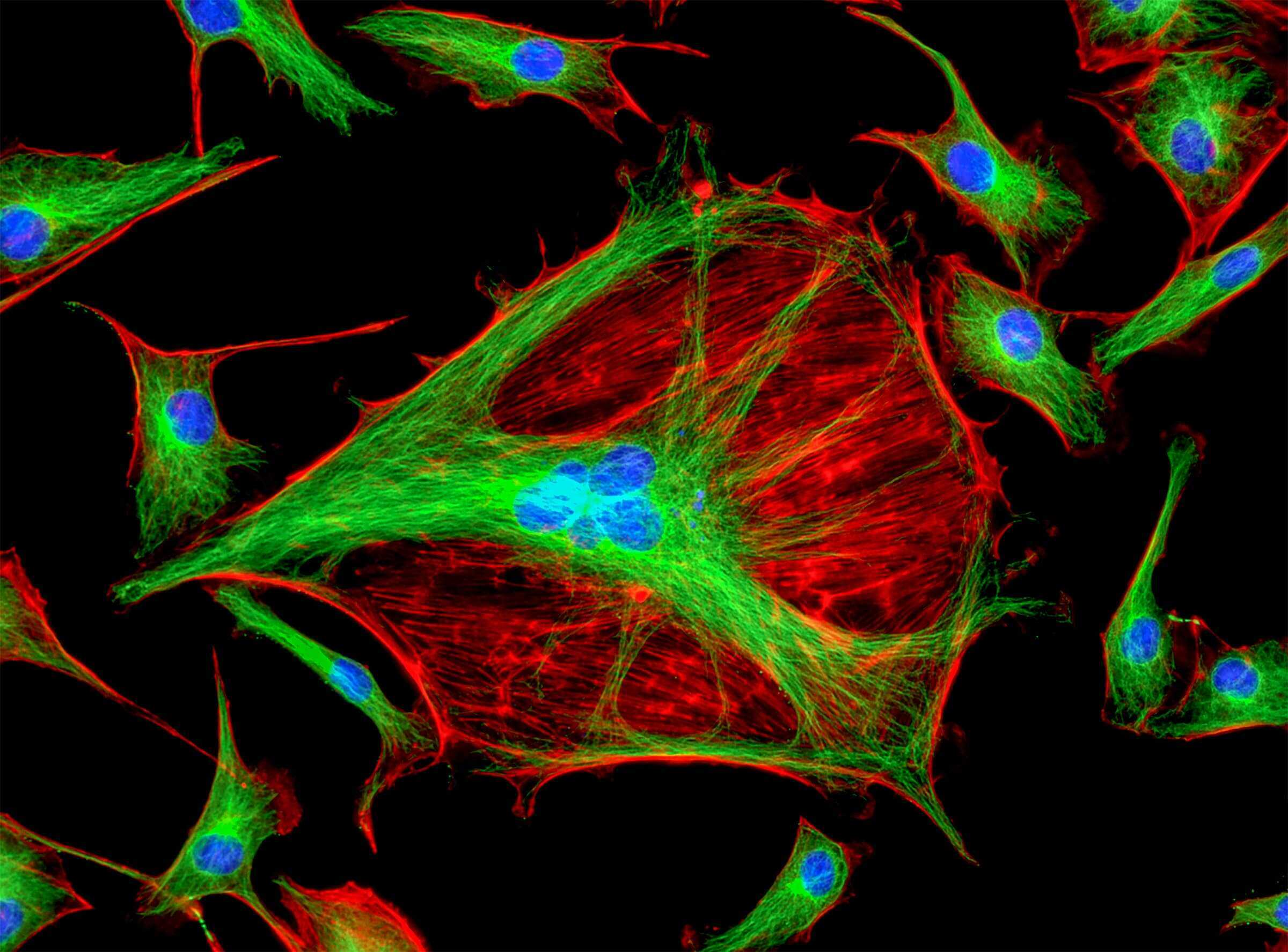
The Department of Developmental and Cell Biology seeks discoveries that foster a better understanding of biological questions such as the origins of cancer development, cell repair and regrowth and developmental disorders. Our diverse groups of researchers expose students to everything from the basic biology of stem cells to central nervous system injury, diabetes and the use of stem cell-based screens to identify novel drugs targeting cell proliferation.
Faculty
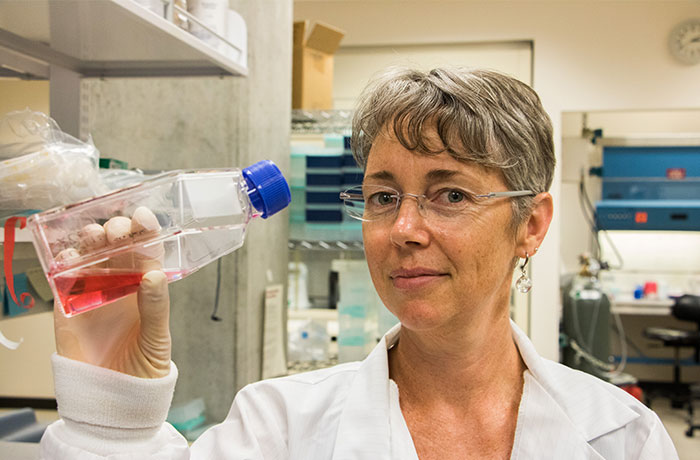
A world class faculty dedicated to advance knowledge about the body, diseases, drug design, vascular biology and more.
Undergraduates
Exciting opportunities exist for Dunlop School majors interested in pursuing a degree in Developmental and Cell Biology or Genetics.
Graduates
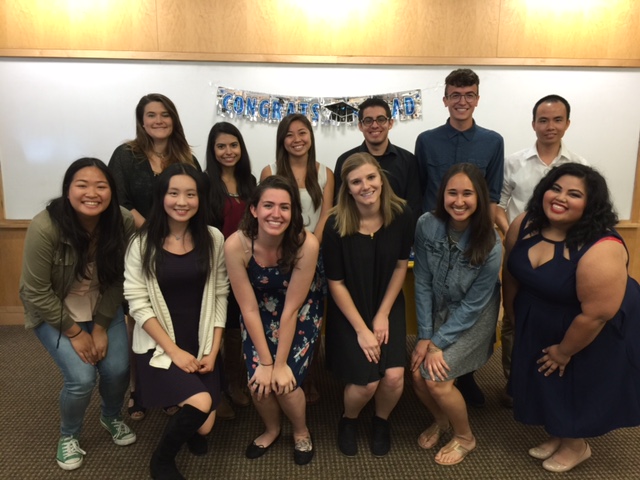
With 3 interdiscipline doctorate programs, Developmental and Cell Biology graduates will be prepared examine compelling biological questions.
News
Cytonemes Guide Skin Cell Renewal in Zebrafish
Scientists at UCI reveal that skin cells use microscopic “cellular bridges” called cytonemes to coordinate renewal, a process that may hold keys to treating skin diseases.
Lipid Molecule Shows Promise Against Drug-Resistant Cancers
UCI researchers uncover how the lipid sphingosine can shut down cancer-driving signals — offering hope for tackling drug resistance.
Math Models Reveal How Chlamydia Controls Its Life Cycle
UCI scientists use math and biology to uncover how Chlamydia times its switch to an infectious state — a finding that may inspire new therapies.
Cracking the Code of Long-Distance Gene Control
UCI researchers discover the “range extender,” a DNA element that lets enhancers control genes from far away — reshaping our understanding of gene regulation.
New AI Tool Maps How Cells Talk to Each Other
A UCI team develops SigXTalk, an AI-powered tool that maps how cells communicate — and miscommunicate — in health and disease.
New Insight into Melanoma’s Earliest Steps
A new study sheds light on how melanoma, a dangerous form of skin cancer, can arise even from minimal genetic changes.
Dr. Ken Cho has an AAAS Fellow award and a Pew Scholar in Biomedical Sciences.
Dr. Michael Parson’s lab created a method to ablate cells at will to study regeneration. This method has been used in over 2,300 publications to date.
Dr. Kavita Arora was a recipient of the Searle Scholar Award.
Dr. Scott Atwood discovered how basal cell carcinoma gains resistance to targeted therapy.
Faculty Spotlight
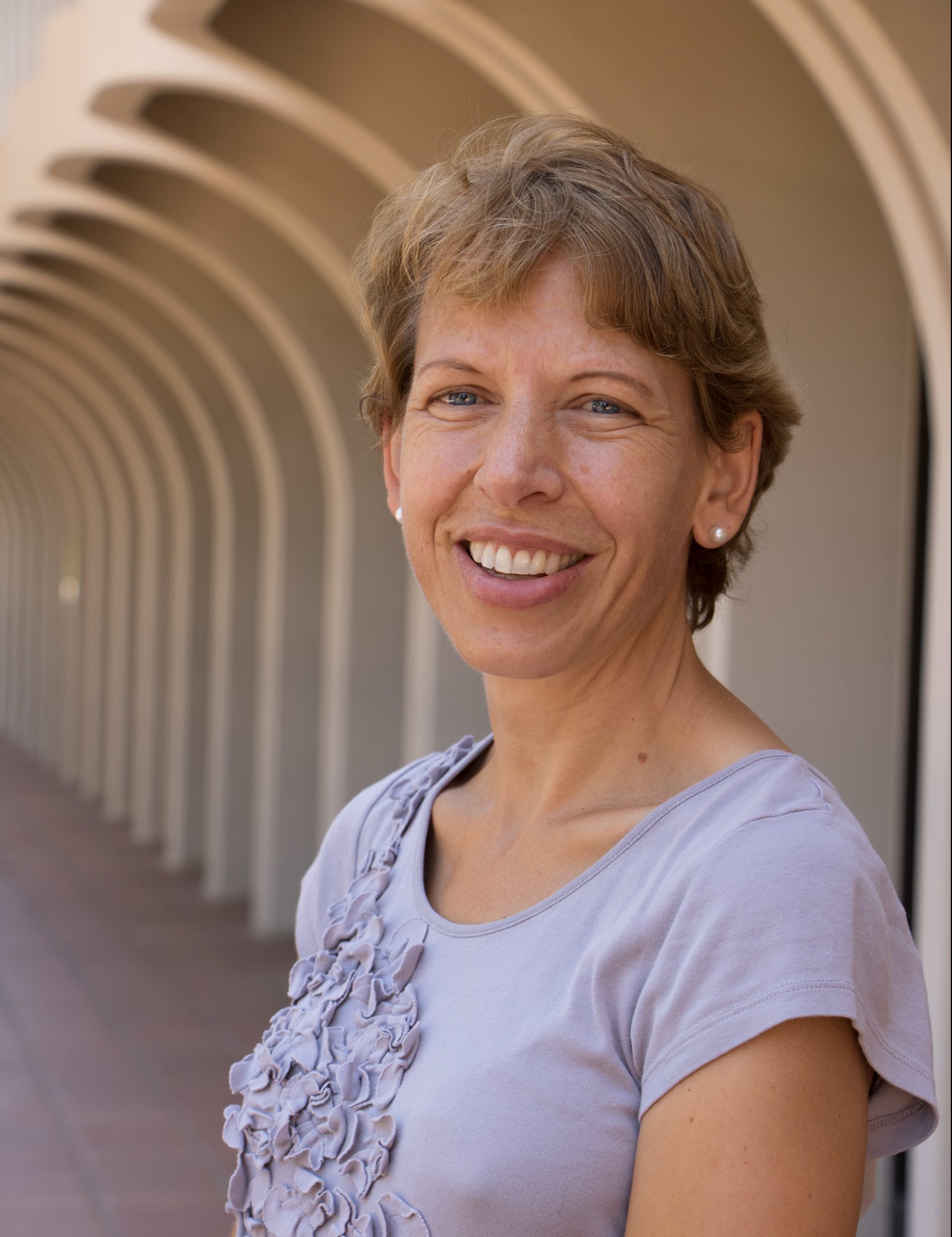
Christine Suetterlin, Ph.D.,
Professor
The Regulation of Golgi and Centrosome Dynamics in Mammalian Cells – We are interested in how organelles of the pericentriolar region communicate with each other. In mammalian cells, Golgi membranes are positioned in close proximity to the centrosome, the major microtubule organizing center of a cell. This specific localization is only seen during interphase as Golgi membranes are fragmented and dispersed throughout the cytosol during mitosis.